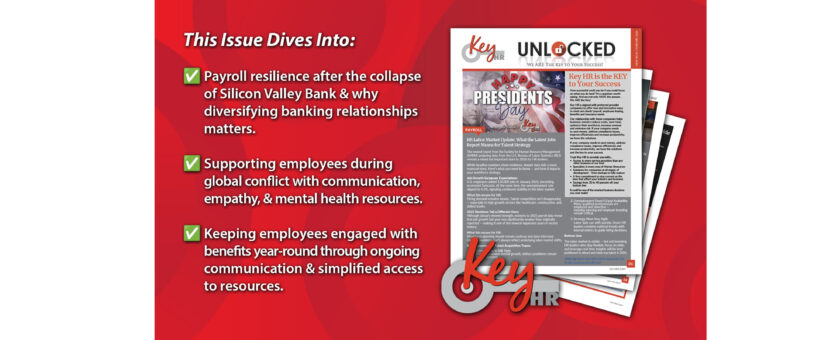
KEY HR UNLOCKED Newsletter – ISSUE NO. 93 | MARCH . 2026
How successful could you be if you could focus on what you do best? It’s a question worth asking. And we not only HAVE the answer… We ARE the Key!
KeyHR is aligned with preferred provider companies to offer new and innovative ways to meet out clients’ payroll, employee leasing, benefits and insurance needs.
Our relationship with these companies helps business owners reduce costs, save time, optimize their workforce, increase revenue and minimize risk. If your company needs to save money, address compliance issues, improve efficiencies and increase productivity, we have the solutions.
If your company needs to save money, address compliance issues, improve efficiencies and increase productivity, we have the solutions and the key to your success.
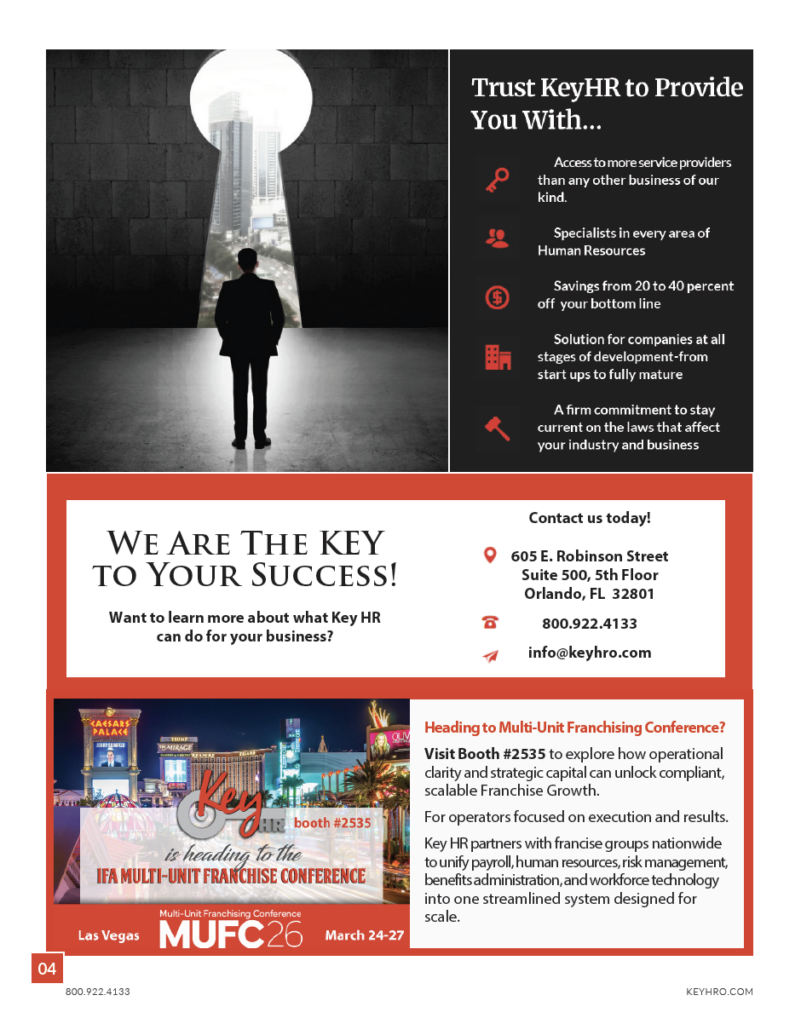
Trust Key HR to provide you with…
- Access to more service providers than any other business of our kind
- Specialists in every area of Human Resources
- Solutions for companies at all stages of development – from startups to fully mature
- A firm commitment to stay current on the laws that affect your industry and business
- Savings from 20 to 40 percent off your bottom line
- It could be one of the smartest business decisions you ever make!

Payroll Strategies After the Silicon Valley Bank Collapse
The collapse of Silicon Valley Bank (SVB) in 2023 sent shockwaves through the business community, particularly among startups and technology companies that relied heavily on the bank for their financial operations. For many organizations, SVB was a primary banking partner used to store operating funds and process payroll. When the bank failed, employers quickly became concerned about whether they would be able to access their funds in time to pay employees.
Although federal regulators stepped in to protect deposits and restore access to accounts, the situation highlighted how vulnerable payroll operations can be when businesses rely too heavily on a single financial institution.
The crisis served as a wake-up call for many employers to reassess their payroll and financial strategies. Experts suggest that companies should maintain readily accessible cash reserves or alternative funding sources to ensure payroll can continue even during unexpected banking disruptions. If businesses lose access to funds—even temporarily—payroll delays can create financial stress for employees and potentially expose employers to compliance risks.
Another important lesson from the SVB collapse is the value of diversifying banking relationships. Instead of keeping all operating funds with one financial institution, businesses can reduce risk by spreading funds across multiple banks. This approach provides an additional layer of protection and helps ensure organizations can still access critical funds needed for payroll and other essential expenses during times of financial uncertainty.
In addition, experts emphasize the importance of strong communication with employees when financial concerns arise. If payroll disruptions become possible, transparency can help maintain trust and reduce anxiety among workers who depend on consistent paychecks.
Although the SVB crisis was resolved relatively quickly, it highlighted the need for stronger financial contingency planning. By reviewing banking partnerships, strengthening cash management strategies, and preparing backup payroll processes, organizations can better protect both their operations and their employees from unexpected financial disruptions.
Source: Benefit News, “Payroll Strategies After Silicon Valley Bank Collapse.”
benefitnews.com/news/payroll-strategies-after-silicon-valley-bank-collapse
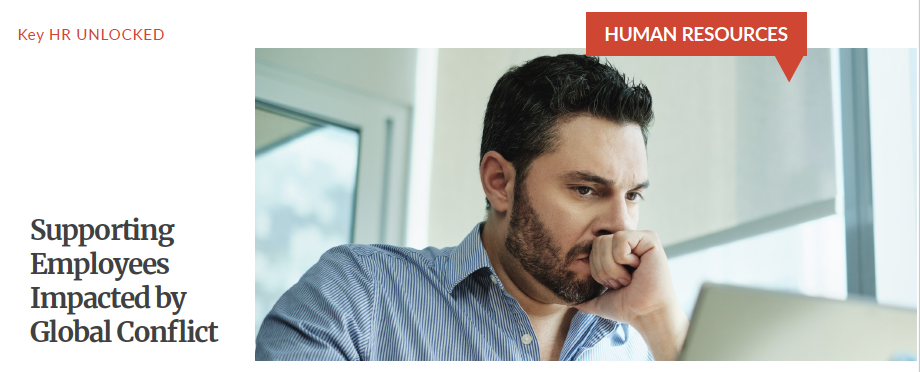
Global events can have a significant impact on employees, even when those events occur far from the workplace. According to the Society for Human Resource Management (SHRM), escalating tensions and conflict involving Iran serve as a reminder that international crises can create stress, fear, and uncertainty for employees who may have personal, cultural, or family ties to the region. Even employees without direct connections can feel the emotional effects of ongoing news coverage, geopolitical instability, and concerns about broader global implications. As a result, HR leaders and employers are encouraged to take proactive steps to support their workforce during times of global conflict.
One of the first priorities for organizations should be ensuring the safety and security of employees, particularly for companies with international operations or employees traveling abroad. Employers should regularly review travel policies, assess potential risks for employees located in or traveling to affected regions, and maintain open lines of communication with workers who may be directly impacted. In situations where safety risks increase, organizations may need to consider contingency plans such as travel restrictions, evacuation procedures, or remote work arrangements. Clear communication and timely updates can help employees feel informed and supported during rapidly changing situations.
In addition to physical safety concerns, global conflict can place a heavy emotional and psychological burden on employees. Workers who have loved ones in affected regions may experience heightened anxiety and distraction, while others may feel overwhelmed by the constant stream of news and social media updates. HR leaders and managers should acknowledge that these events can affect employees differently and encourage a workplace culture that prioritizes empathy and understanding. Simple actions—such as checking in with team members, offering flexibility when needed, and recognizing that employees may be dealing with personal concerns—can make a meaningful difference.
Employers should also remind employees about available mental health and wellness resources. Programs such as Employee Assistance Programs (EAPs), counseling services, and wellness initiatives can provide valuable support during times of stress. Communicating these resources clearly and consistently ensures employees know where to turn if they need help. Managers can also play a key role by being attentive to changes in employee behavior, encouraging open dialogue, and directing team members to appropriate support services when needed.
Another important consideration is maintaining a respectful and inclusive workplace environment. Global conflicts can sometimes lead to strong emotions, differing opinions, and difficult conversations among employees. Organizations should reinforce workplace policies that promote respect, discourage harassment or discrimination, and encourage thoughtful and civil discussions. Leaders should set the tone by modeling respectful communication and reminding employees that the workplace should remain a safe and supportive environment for everyone.
Communication from leadership is also critical during times of uncertainty. Transparent messaging that acknowledges global events while emphasizing the organization’s commitment to employee well-being can help build trust and stability. Leaders do not need to have all the answers, but acknowledging the situation and reaffirming support for employees can demonstrate compassion and strengthen workplace culture.
Ultimately, global crises highlight the important role organizations play in supporting the well-being of their workforce. By prioritizing employee safety, promoting open communication, providing access to mental health resources, and reinforcing an inclusive culture, employers can help their teams navigate challenging times. When employees feel supported and valued, organizations are better positioned to maintain engagement, productivity, and resilience—even during periods of global uncertainty.
Source: SHRM, “How to Support Employees Impacted by the Conflict in Iran.”
shrm.org/topics-tools/news/how-to-support-employees-impacted-by-conflict-iran
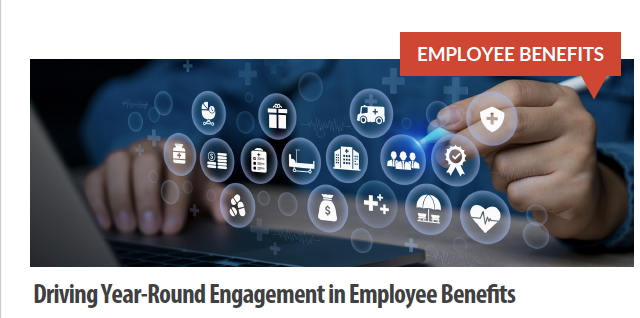
For many organizations, employee benefits receive the most attention during open enrollment. However, benefits experts say that engagement shouldn’t end once employees complete their selections. Instead, employers should view open enrollment as the starting point for a year-round communication strategy designed to help employees better understand and utilize the benefits available to them.
Research consistently shows that many employees struggle to fully understand their benefits. Even after enrollment, a significant number of workers remain unclear about what services are available, how to access them, or when they should use them. As a result, valuable resources such as wellness programs, mental health services, preventive care, and financial wellness tools often go underused. When employees don’t engage with these programs, both employees and employers miss out on the full value of the benefits offered.
To address this challenge, employers are increasingly shifting to continuous benefits communication. Instead of relying solely on open enrollment materials, organizations are integrating benefits education throughout the year. This can include seasonal messaging, reminders tied to life events, and regular updates that highlight specific benefits employees may need at different times. For example, early in the year can be an ideal time to promote preventive care visits, wellness initiatives, and health risk assessments, while other periods may focus on financial wellness programs or family support resources.
Targeted outreach is also an important part of increasing engagement. Certain employee groups—including remote workers, caregivers, and individuals managing chronic health conditions—may need additional communication and support to ensure they understand and can easily access their benefits. Personalized messaging and digital tools can help HR teams identify employees who may not be actively using available programs and encourage them to explore resources that could improve their well-being.
Another key factor in improving engagement is simplifying the benefits experience. When employees find benefits confusing or difficult to access, they are far less likely to take advantage of them. Clear communication, user- friendly platforms, and centralized access to benefits information can make it easier for employees to navigate their options and find the support they need.
Finally, employers are encouraged to evaluate the effectiveness of their benefits programs beyond enrollment numbers alone. Tracking metrics such as preventive care usage, healthcare cost trends, employee satisfaction, and program participation can provide deeper insight into how well benefits are supporting the workforce.
By focusing on ongoing education, targeted communication, and simplified access, employers can transform benefits from a once-a-year decision into a year-round resource that supports employee health, financial stability, and overall well-being. When employees understand and use their benefits effectively, organizations see stronger engagement, improved productivity, and a healthier workforce overall.
Source: Benefit News, “How Employers Can Drive Year- Round Engagement in Benefits.”
benefitnews.com/opinion/how-employers-can-drive-year-round-engagement-in-benefits
Click To download the Key HR Newsletter UNCLOCKED

_________________________________
This communication is for informational purposes only; it is not legal, tax or
accounting advice; and is not an offer to sell, buy or procure insurance.
This post may contain hyperlinks to websites operated by parties other than KeyHR. Such hyperlinks
are provided for reference only. KeyHR does not control such websites and is not responsible for their content.
Inclusion of such hyperlinks on KeyHRO.com does not necessarily imply any endorsement of the material
on such websites or association with their operators
- Posted by admin
- On February 19, 2026
- 0 Comment

