
Independent Retailers: The Heart of Local Communities and the Future of Small Business
Every neighborhood has them—the family-owned boutique on Main Street, the neighborhood hardware store, the independent bookstore, the specialty gift shop, or the local market that greets customers by name. Independent retailers do more than sell products; they create jobs, build relationships, and help shape the character of their communities.
Each July, Independent Retailer Month shines a spotlight on these businesses and the important role they play in strengthening local economies. It’s also a reminder of the unique challenges independent retailers face and why having the right support systems in place is more important than ever.
The Value of Independent Retailers

Independent retailers are often the first to invest in their communities. They sponsor youth sports teams, support local charities, participate in community events, and provide personalized customer service that larger retailers often can’t match.
When consumers shop locally, more money stays within the community, helping create jobs and stimulate economic growth. Every purchase made at an independent retailer helps support local families, local employees, and other small businesses.
Today’s Retail Challenges

While independent retailers continue to make a significant impact, they also face increasing pressures.
Today’s business owners must balance rising operating costs, changing consumer expectations, labor shortages, supply chain fluctuations, and increasing competition from national retailers and e-commerce platforms. On top of that, they must navigate constantly evolving employment laws, payroll regulations, employee benefits, and workplace compliance requirements.
Many independent retailers wear multiple hats every day—owner, manager, recruiter, payroll administrator, marketer, and customer service representative—all while trying to deliver an exceptional customer experience.
Building a Strong Workforce

One of the biggest challenges facing independent retailers is attracting and retaining quality employees.
Employees are looking for more than just a paycheck. They want competitive benefits, opportunities for growth, flexible scheduling, and a workplace where they feel valued. Retailers that invest in employee engagement often experience lower turnover, higher productivity, and better customer service.
Simple strategies can make a big difference, including:
- Creating a positive workplace culture
- Recognizing employee achievements
- Offering ongoing training and development
- Providing flexible scheduling when possible
- Maintaining open communication with employees
A motivated team creates better customer experiences—and loyal customers are the foundation of every successful retail business.
Technology Is Changing Retail

Today’s retailers have access to technology that can simplify operations and improve efficiency.
Cloud-based payroll systems, digital scheduling tools, employee self-service portals, online onboarding, and workforce management platforms allow retailers to spend less time on administrative tasks and more time focusing on customers and business growth.
Technology also helps improve accuracy, reduce compliance risks, and provide valuable workforce insights that support smarter business decisions.
Staying Ahead of Compliance

Employment regulations continue to evolve at the federal, state, and local levels. Wage laws, overtime requirements, paid leave policies, workplace safety standards, and employee classification rules require ongoing attention.
For busy retail owners, staying compliant can feel overwhelming.
That’s why many independent retailers choose to partner with HR professionals who help monitor regulatory changes, manage payroll, administer employee benefits, and reduce compliance risks.
Why HR Matters More Than Ever
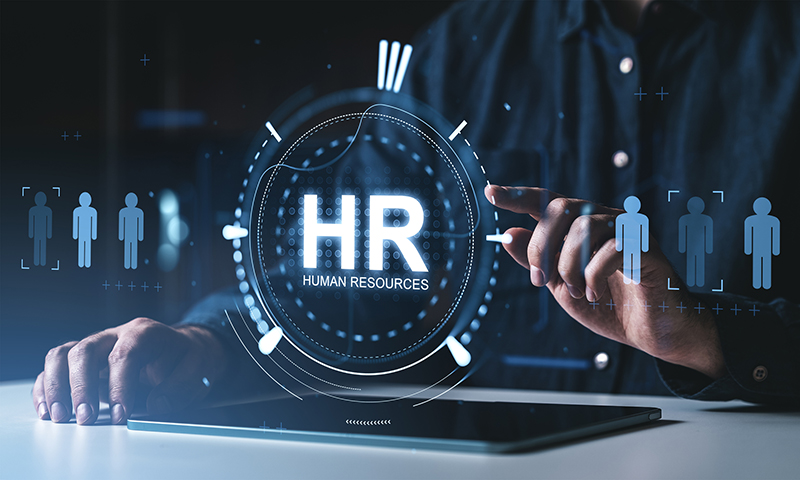
Human resources is no longer just an administrative function—it’s a strategic advantage.
Strong HR practices help businesses:
- Recruit top talent
- Improve employee retention
- Reduce turnover costs
- Strengthen workplace culture
- Increase productivity
- Maintain compliance
- Prepare for future growth
For independent retailers, having access to HR expertise allows owners to focus on serving customers and expanding their business rather than managing paperwork.

How Key HR Helps Independent Retailers Thrive
At Key HR, we understand the unique challenges independent retailers face because every business is different.
Our customized solutions help retailers simplify workforce management by providing:
- Payroll Processing
- Human Resources Support
- Employee Benefits Administration
- HR Compliance Guidance
- Workers’ Compensation Solutions
- Risk Management
- Human Capital Management Technology
Whether you’re operating one storefront or expanding to multiple locations, Key HR provides the expertise and personalized support you need to build a stronger business.
Celebrating Independent Retailers
Independent retailers help create vibrant communities, fuel local economies, and deliver the personal service that customers value. Their dedication, resilience, and entrepreneurial spirit deserve to be recognized—not just during Independent Retailer Month, but all year long.
As your business continues to grow, don’t let HR challenges slow you down. Partnering with the right HR provider can help you save time, reduce risk, and create a workplace where employees and your business can thrive.
Human Capital Management, Upgraded.
At Key HR, we’re proud to support independent retailers with customized HR, payroll, benefits, and compliance solutions that allow business owners to spend less time managing HR and more time doing what they love—serving their customers and growing their business.
- Posted by admin
- On July 9, 2026
- 0 Comment

