Wellbeing as Core Infrastructure: Why Forward-Thinking Businesses Are Redefining Workplace Strategy
For years, employee wellbeing was treated as a “nice-to-have”—a collection of perks like gym memberships, wellness stipends, or occasional mental health days. Today, that mindset is not just outdated—it’s risky. Wellbeing has officially moved into the realm of core business infrastructure, sitting alongside compliance, safety, and operational strategy.
Organizations that fail to evolve are already feeling the consequences: burnout, disengagement, turnover, and increased regulatory scrutiny. Those that adapt, however, are unlocking a more resilient, productive, and future-ready workforce.
Here’s what that shift looks like in practice.

1. Preventative Burnout Care: Treating Mental Health Like Physical Safety
Traditional workplace safety programs have long focused on physical hazards—equipment, environments, and procedures. But modern workplaces are increasingly shaped by psychological demands, and ignoring them creates just as much risk.
Forward-thinking organizations are now integrating psychological risk assessments into their standard safety processes. This includes:
- Identifying workload imbalances and chronic stress triggers
- Monitoring signs of burnout before they escalate
- Training managers to recognize and respond to mental health risks
- Embedding mental health considerations into compliance frameworks
The key shift is simple but powerful: mental hazards are treated with the same seriousness as physical ones.
This proactive approach doesn’t just protect employees—it reduces absenteeism, improves performance, and strengthens compliance posture.
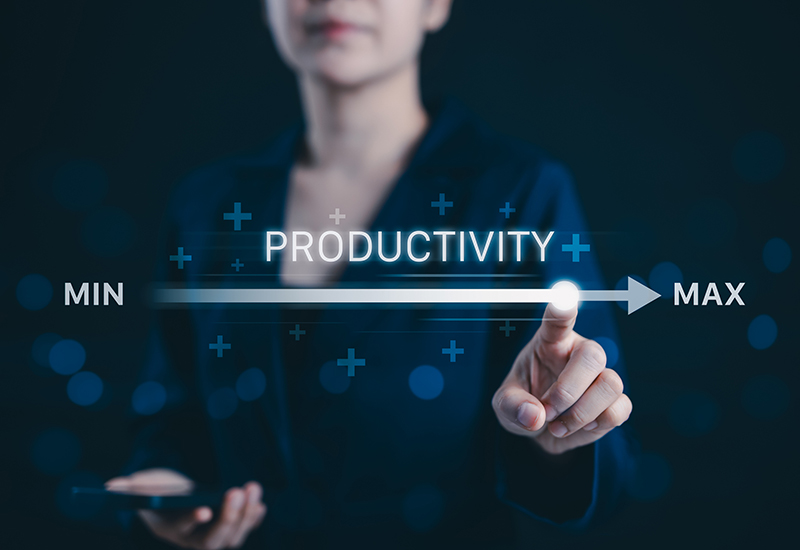
2. Sustainability Measures: Building “Sustainable Productivity”
Productivity at all costs is no longer sustainable. Today’s workforce is navigating constant digital demands, rapid technological change, and growing anxiety about job security.
Two emerging challenges are reshaping how organizations think about productivity:
- Technostress: The strain caused by constant connectivity, new tools, and digital overload
- FOBO (Fear of Becoming Obsolete): Employee anxiety around keeping up with evolving skills and automation
Organizations leading in this space are focusing on sustainable productivity, which means:
- Setting realistic expectations around availability and output
- Auditing digital tools to reduce unnecessary complexity
- Investing in continuous learning and upskilling
- Creating a culture where adaptability—not perfection—is valued
Sustainable productivity ensures employees can perform at a high level without sacrificing long-term wellbeing—a critical factor in retention and engagement.

3. Climate Resilience: Preparing the Workforce for Environmental Risk
Workplace wellbeing now extends beyond office walls. Environmental factors like extreme heat, poor air quality, and severe weather events are becoming more frequent—and they directly impact employee safety and productivity.
Modern organizations are responding by:
- Updating safety protocols to account for climate-related risks
- Adjusting work schedules or environments during extreme conditions
- Incorporating environmental data into workforce planning
- Ensuring remote and on-site teams are equally protected
This is more than risk management—it’s about future-proofing operations in an increasingly unpredictable environment.
Why This Matters Now
Wellbeing is no longer a side initiative—it’s a compliance issue, a talent strategy, and a performance driver.
Organizations that embed wellbeing into their core infrastructure benefit from:
- Lower turnover and absenteeism
- Higher employee engagement and productivity
- Stronger employer branding
- Reduced legal and compliance risks
Those that don’t risk falling behind—not just culturally, but competitively.

How Key HR Helps You Build a Wellbeing-First Organization
At Key HR, we understand that modern workforce challenges require more than traditional HR solutions. Through our comprehensive PEO services, we help businesses:
- Integrate mental health into workplace safety strategies
- Design sustainable productivity frameworks
- Stay compliant with evolving workplace regulations
- Build resilient, people-first cultures that drive performance
Wellbeing isn’t a perk anymore—it’s infrastructure. And the organizations that treat it that way are the ones that will lead in the years ahead.
- Posted by admin
- On April 27, 2026
- 0 Comment

