How Is 2026 Shaping Up for Your Hiring and Retention Strategy?
As 2026 unfolds, many employers are asking an important question: Are we truly positioned to attract and retain top talent this year?
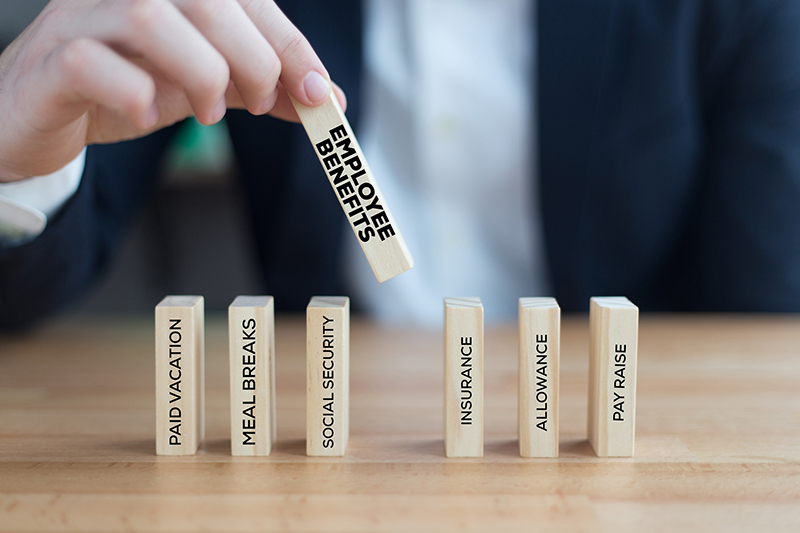
If you’re evaluating your readiness, employee benefits should be front and center. Far from being a burden, benefits can be a powerful competitive advantage — one that drives recruitment, retention, engagement, and long-term business success when done right.
To assess where you stand and identify opportunities for improvement, consider the questions below.

1. Are You Meeting Today’s Essential Benefit Expectations?
Winning the talent war starts with getting the fundamentals right.
At a minimum, your benefits package should be competitive with industry standards and include:
- Health insurance
- Paid time off (medical, vacation, and other leave)
- Disability insurance and workers’ compensation
- Work-life balance and flexibility
Wherever possible, remote or hybrid work options should be supported and encouraged. Flexibility is no longer a “nice to have” — it’s a top priority for today’s workforce. In fact, many candidates will leave roles or decline offers outright if flexibility expectations aren’t met.
2. Are You Offering Standout Perks That Differentiate Your Company?
Once the essentials are covered, the next step is standing out. Additional perks can make a meaningful difference in both recruitment and retention — especially in competitive labor markets.
Popular and impactful options include:
- On-site or employer-sponsored childcare
- Mental health resources and employee assistance programs
- Gym memberships or fitness stipends
- Retirement plans with employer matching
- Tuition assistance and student loan debt relief
- Whole or term life insurance
- Pet insurance
The key is alignment: offer perks that resonate with your workforce and clearly set you apart from competitors.

3. Are Your Benefits Flexible and Personalized?
There’s no universal definition of the “perfect” benefits package. A recent graduate may prioritize student loan assistance, while a seasoned professional may value retirement planning or enhanced health coverage.
When possible, consider a customizable benefits model that allows employees to choose from a menu of options rather than a single, rigid plan. Personalized benefits not only improve attraction and retention — they also drive engagement, satisfaction, and stronger business outcomes.

4. Are You Listening to Employee Feedback — and Acting on It?
Your employees are your most valuable source of insight. Regularly evaluating your benefits strategy through feedback helps ensure it remains relevant and competitive.
Effective methods include surveys and follow-up discussions focused on:
- Overall satisfaction with current benefits
- Which offerings are most valued
- What benefits or perks employees want to see added
It’s equally important to benchmark against industry trends and competitors. The benefits landscape evolves quickly, so this should be an ongoing process — not a one-time review.

One Final Question…
Is 2026 the year you partner with a trusted HR expert to elevate your employee benefits strategy?
KeyHR helps organizations design, manage, and optimize benefits programs that support growth, compliance, and employee satisfaction. Connect with one of our experienced representatives today to ensure your benefits strategy is ready for what’s next.
To explore your options or learn more, contact Key HR today.
We partner with leading providers to help ensure all your needs are met and your future growth strategy is rock solid. We look forward to hearing from you.
800.922.4133
- Posted by Greg Jubert
- On January 26, 2026
- 0 Comment

